
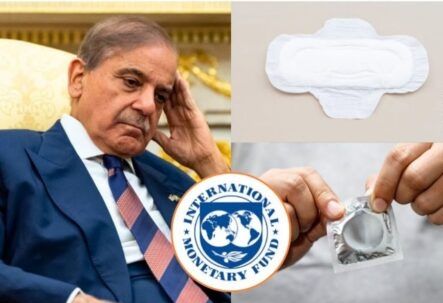
In a major setback to Pakistan’s efforts to provide financial relief on essential hygiene products, the International Monetary Fund (IMF) has rejected Islamabad’s proposal to remove the 18% General Sales Tax (GST) on sanitary pads, baby diapers, and condoms. The request was reportedly raised as part of ongoing discussions within the IMF bailout programme, with Pakistan highlighting the rising public health concerns, economic hardships, and mounting financial burden on low-income households. However, the IMF maintained its firm stance, stating that no mid-year tax amendments are allowed under the current $7 billion bailout agreement and that any potential revisions must wait until the 2026–27 federal budget.
Public health experts and women’s rights groups have expressed disappointment, warning that high taxation on sanitary napkins could worsen “period poverty” and restrict access to menstrual hygiene among underprivileged women and girls. Similarly, the continued tax on diapers and contraceptives is expected to put additional pressure on families already struggling with inflation and rising living costs. As Pakistan continues its economic recovery journey under strict IMF monitoring, the decision has sparked debate over revenue priorities versus essential public welfare needs.